


Inflation in the United States, as measured by the Consumer Price Index (CPI), advanced 8.6% from the May period from the year earlier. This was a new high after March’s reading of 8.5%. The number was more than analysts’ forecasts for the headline number to come in at 8.3%. Worryingly, core inflation, which is the headline number excluding volatile food and energy prices, also exceeded economists’ estimates, coming in at 6% versus the expected 5.9%.
While inflation was broad-based, there were areas where the spike in prices seems to be especially acute. It has been the theme for most of the year, shelters, airline fares, foods, used cars, new vehicles and gas prices rose the most and were the largest contributors to the high inflation reading. Furthermore, a record 70.6% of the CPI basket is increasing in price at more than a 4% annualized basis, the broadest increase in prices the U.S. has ever experienced.
Gasoline prices surged 49% year over year, the highest rate of increase since 2005. Fuel oil was up 106.7% from a year ago. Grocery prices were up 11.9%, the most since 1979, and the rent was 5.2%, the largest increase since 1987. With the war in Ukraine progressing, China’s slow recovery from COVID lockdowns hurting supply chains, and an increase in labor costs, inflation could stay at an elevated level for a much more prolonged time than previously anticipated by policymakers.
Attention will now, therefore, turn squarely to the U.S. Federal Reserve System and the Federal Open Market Committee (FOMC) to see if the central bank would consider raising rates at an unexpected 75 basis points in any of its upcoming meetings. While the market has been split evenly on the likelihood of a 50 basis points hike in September before today’s numbers, the higher-than-expected reading has shifted market expectations and a 50 basis points increase in September is now being fully priced in.
Based on today’s reading, investors are expecting the FOMC to raise its reference rate to 3% by the end of the year. Additionally, market participants are increasingly expecting a recession in the following twelve-month period. Given that the figures this morning dash any hope that inflation may have peaked, higher costs could pressure Americans’ ability to withstand the cost-of-living adjustments. This, ultimately, means a more aggressive Fed, which could mean a weaker job market, lower retail spending, curtailed home buying, and higher borrowing costs.
Market reaction to the news was swift, with equities falling led Nasdaq down over 2%, the yield on the 2-year U.S. Treasury notes spiked 15 basis points, the dollar turned stronger, and gold was off by 1%. Given that oil and gasoline prices have increased thus far in June, the likelihood of lower inflation reading this month also seems low. While consumer spending has been strong in the face of inflation, retail spending could experience more pressure on a forward-looking basis as borrowing rates, especially on credit cards, increase.
Delinquencies and an over-extended housing market could be the main concerns in an extended economic environment. The household savings rate has dropped considerably from pandemic highs to around 4.4% in April, the lowest since September 2008. This is a worrying sign that the average American consumer has a smaller margin of error in navigating price increases. Housing prices, which have consistently hit all-time highs month after month, may also start cooling considerably given that mortgage rates are also at their highest since 2009.
The U.S. Treasuries yield curve flattened considerably after the release of the data. While the 2-year yield increased 15 bps, the yield on 10-year notes only increased by 7.6 bps. The yield on the 30-year Treasury bonds increased only 2.6 bps. The spread between the 2-year and 10-year notes fell by 7.7 bps, and currently stands at 14.9 bps. A flat or negative number would imply an inverted yield curve, which is generally considered a harbinger of a recession.
This content is provided for general information purposes only and is not to be taken as investment advice nor as a recommendation for any security, investment strategy or investment account.
 Featured Courses
Recent news
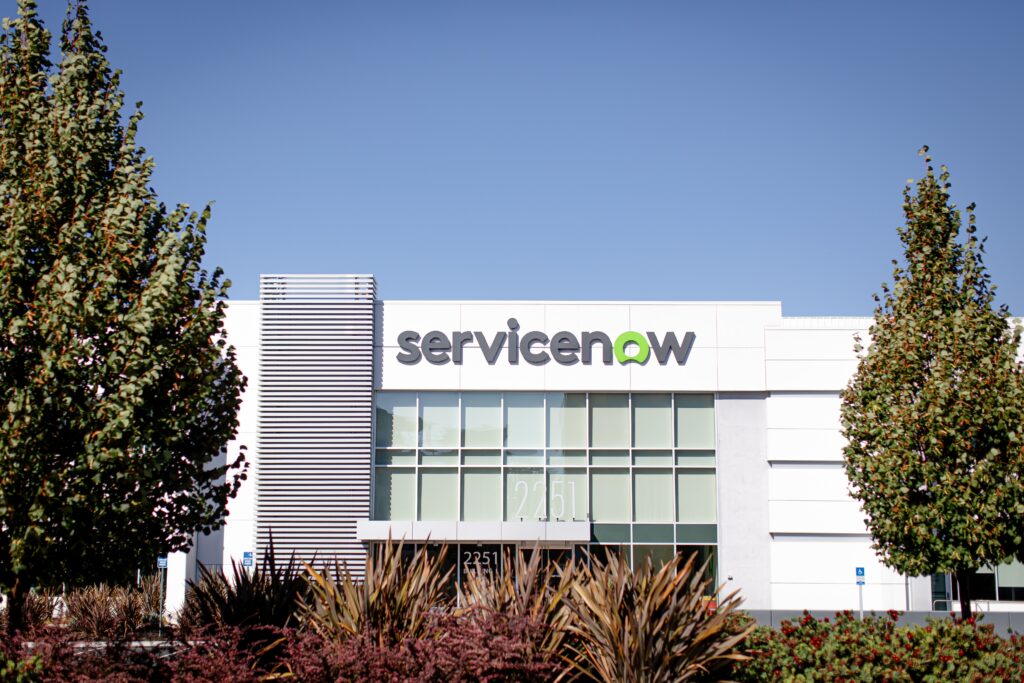
ServiceNow and Software Stocks Lead Sector Recovery on AI Hopes
Software stocks are making a comeback. ServiceNow jumped 8.8% on Monday, marking its largest one-day gain in over a year. This surge followed BofA Securities reinstating coverage with a Buy rating, which helped restore investor confidence in a sector that faced pressure in 2026 over concerns that AI might replace, not support, enterprise software. Here’s […]

GE Aerospace Stock Rises as AI Cuts Hypersonic Engine Design Time
GE Aerospace is showing investors what artificial intelligence looks like when applied to one of the world’s most technically demanding industries. Shares rose 1.58% Tuesday as the company revealed that researchers at its Niskayuna, New York, facility used an in-house generative AI tool to produce a preliminary hypersonic ramjet engine design, compressing a process that […]
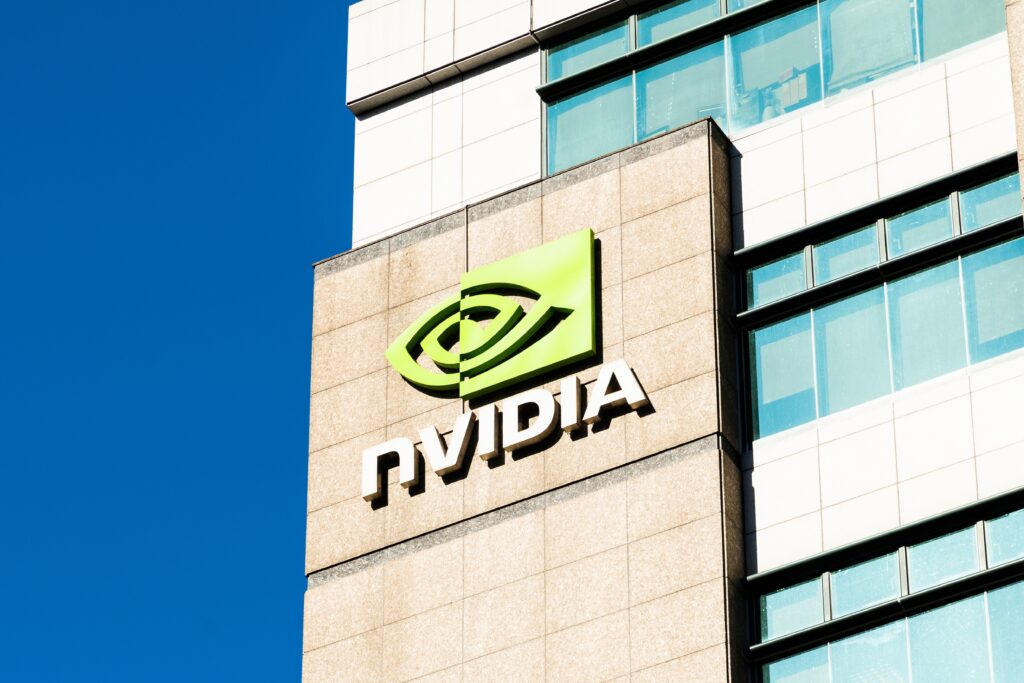
Nvidia Shares Slip 1.1%: Why a 3-Day Losing Streak Could Be Good News
Nvidia is heading into its most anticipated earnings report of the year on the back foot, and that may be exactly what the stock needs. Shares fell 1.1% in premarket trading Tuesday, extending a three-day pullback from last Thursday’s closing high of $235.74. For investors watching closely, a lower entry point ahead of Wednesday’s results […]
Trade with fewer limits
Day trade with fewer limits at fast speed. Buy stocks and ETFs at low fees.