
Micron Faces Challenges Ahead of Earnings, but Analysts Remain Optimistic
Mondeum Capital (UK) Limited

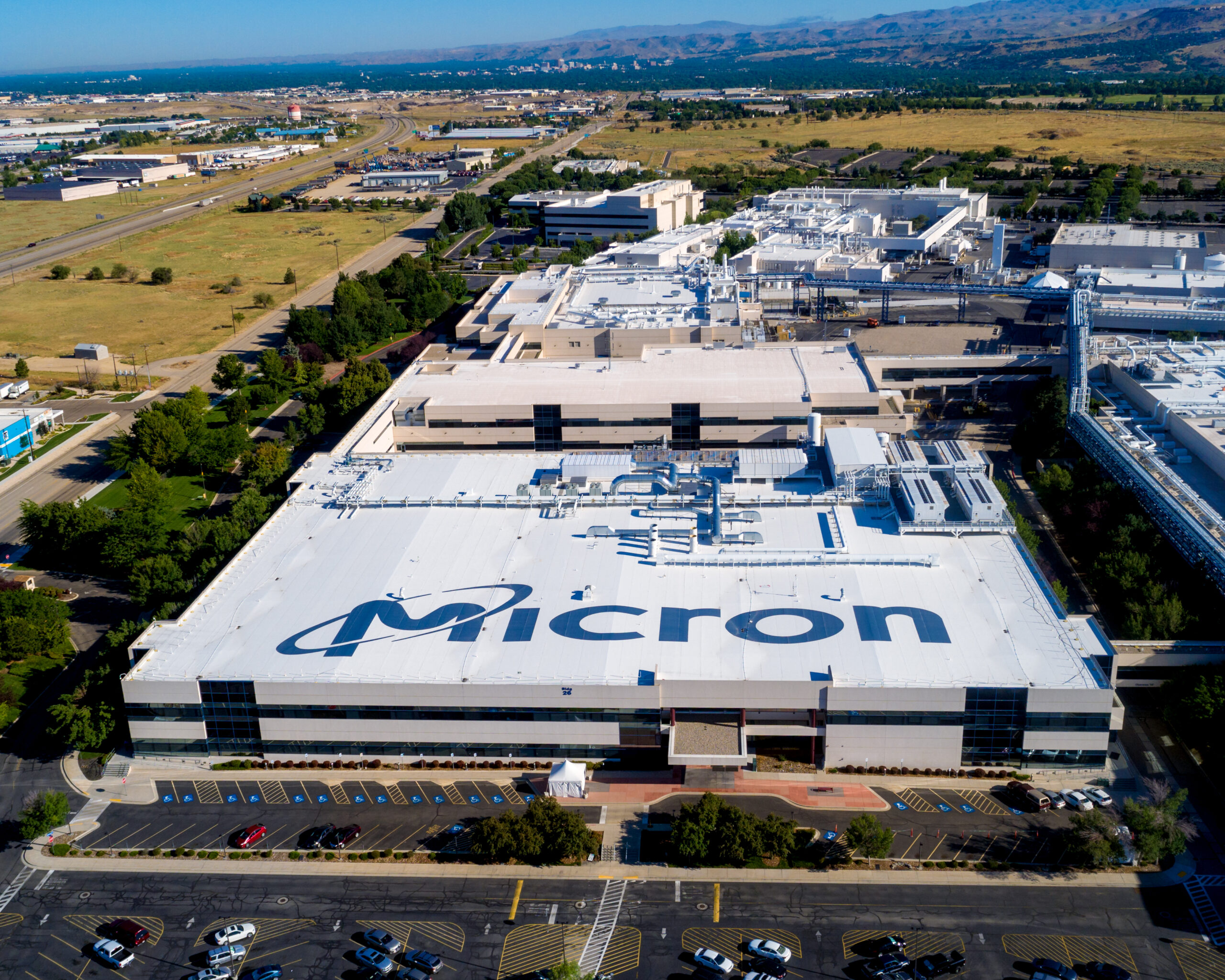
Micron Technology shares fell for a third straight session on Monday, weighed down by worries about competition in the high-bandwidth memory market. Still, several analysts raised their price targets ahead of the company’s March 18 earnings report.
Shares dropped about 1.2% in premarket trading to around $93, continuing a decline that has wiped out about 20% of the stock’s value since its record high in early February. On Friday alone, shares fell 6.7%.
Investors are mainly debating whether demand for memory will last as artificial intelligence infrastructure grows. Analysts at Citi and Susquehanna maintained their positive outlooks and raised their price targets, citing strong data-center spending as a driver of continued pricing strength. Citi increased its target to $430, predicting that DRAM prices could rise by more than 170% in 2026, thanks to large investments from hyperscalers. Their supply chain analysis suggests much of next year’s higher spending will go toward increased memory costs. Susquehanna raised its target sharply to $525, saying supply and demand could balance out by mid-2027 as new factories open.
However, more demanding AI workloads could help protect margins at that point. A more pressing issue is Micron’s position in next-generation high-bandwidth memory. On Sunday, Korean media reported that SK Hynix and Samsung Electronics were chosen as the first exclusive suppliers of HBM4 chips for Nvidia’s upcoming Vera Rubin accelerator platform. If true, this would be a setback for Micron as it tries to catch up with its Korean competitors in the high-end AI memory market.
Independent analyst Richard Windsor tempered the bearish view of the development, suggesting that Micron is likely to be integrated. Independent analyst Richard Windsor offered a more balanced view, saying Micron will probably join Nvidia’s supply chain later as production increases. He also noted that, since capacity is fully booked through 2026, any chips originally meant for Nvidia could easily be sold to other customers without hurting revenue trajectory or visibility into hyperscaler demand beyond the current cycle.
 Featured Courses
Recent news

Microsoft Heads for Worst Quarter Since 2008
Microsoft is facing its largest quarterly decline since 2008. Shares are down about 25% this quarter, making it the weakest Magnificent Seven member by a wide margin. The group is down roughly 14%. The stock fell another 1.7% after Friday’s open, marking a fourth consecutive day of losses. Two primary risks are driving Microsoft’s selloff […]

Unity Stock Surges 13% on AI-Focused Restructuring
Unity Software shares jumped 13% to $19.39 in premarket trading on Friday, briefly beating the S&P 500. Investors liked the company’s decision to cut weak assets and focus on AI-powered revenue growth. The main reasons were a strong first-quarter revenue outlook and Unity’s plan to shut down its ironSource Ads Network on April 30 and […]
NVIDIA Cheaper Than the S&P 500: Is This the Floor?
NVIDIA’s stock is now at its lowest valuation relative to the broader market in over ten years. This creates a rare buying opportunity for investors, as bargain hunters and long-term investors may find the historically low valuation appealing despite ongoing pressure on AI-related technology stocks. The main thesis is that NVIDIA is a unique investment […]
Trade with fewer limits
Day trade with fewer limits at fast speed. Buy stocks and ETFs at low fees.