
Tesla Shares Decline as Investors Weigh EV Market Weakness Against Rising Dominance
Mondeum Capital (UK) Limited

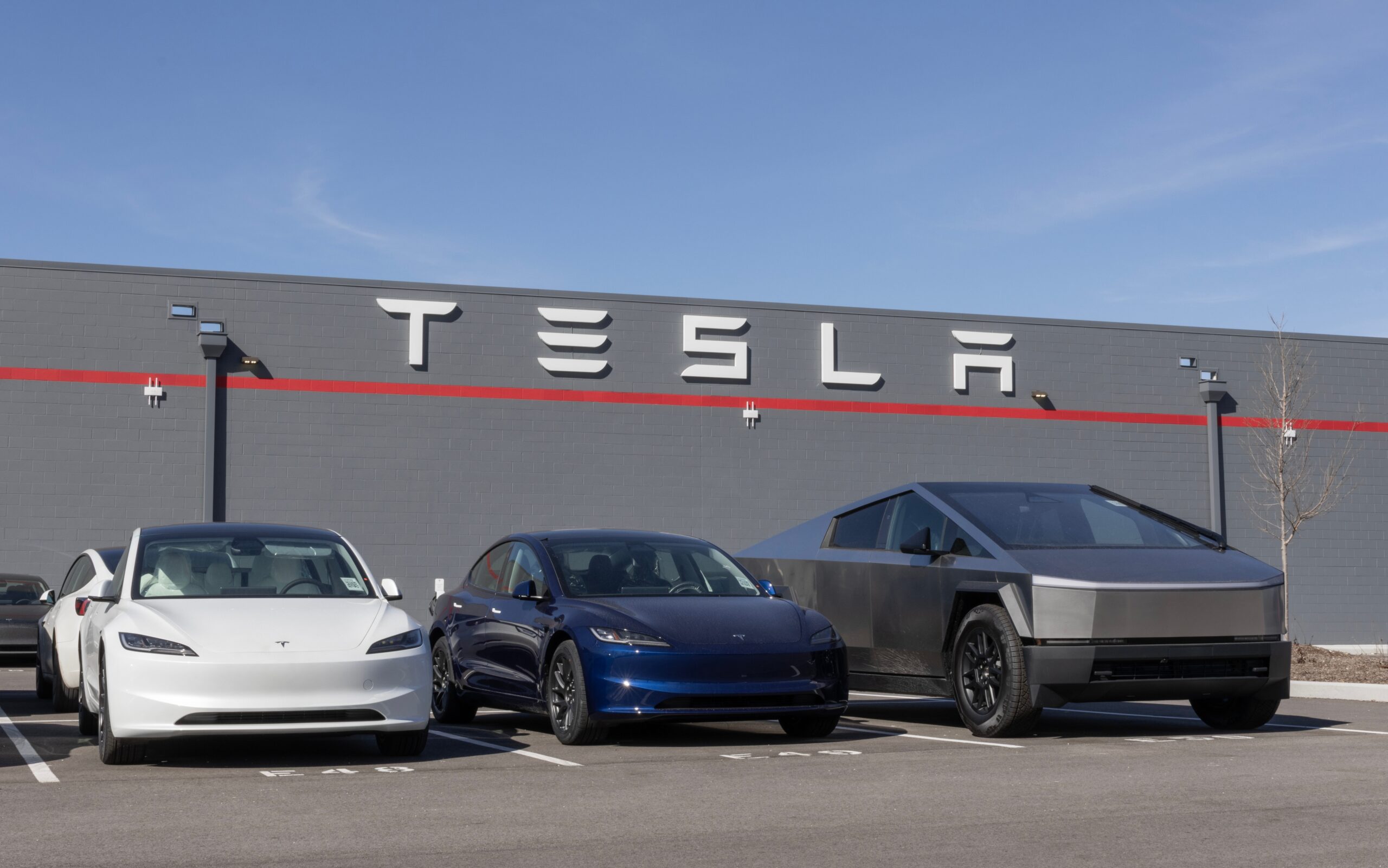
Tesla shares slipped at the start of the week as investors considered how a weaker electric-vehicle market might affect the company’s short-term prospects.
The stock dropped 1.1% to $407.37 in early trading, lagging behind the wider market. Tesla shares have fallen in three of the last four weeks, including a 1.3% dip most recently, even though a short three-day rally added only $1.19 per share at the end of the week.
The overall EV market is facing challenges. In January, U.S. EV sales dropped 30% from last year and accounted for just 6% of all new-car sales. When the $7,500 federal tax credit ended in September, demand fell, leading automakers to lower prices. Average EV prices were down 3% in December from a year earlier, and Cantor Fitzgerald analyst Andres Sheppard expects this trend to continue as a “major theme” this year.
Yet Tesla’s relative position has strengthened amid the downturn. The company’s January sales declined just 17%, well outpacing the broader market’s contraction, and its domestic market share climbed to approximately 61%, up from 57% in December. During the period when the federal tax credit remained in effect, Tesla’s share had slipped below 50%.
Tesla shares are down about 8% so far this year but are still up 22% over the past 12 months, beating the broader market by around seven points. The stock hit a record close to $500 in December, even though EV sales have dropped for two years in a row. This shows investors are excited about Tesla’s work in artificial intelligence, like self-driving ride-hailing and robotics. In June, Tesla started a robo-taxi service in Austin, Texas, when shares were around $322.
Even so, Tesla’s main business is still selling cars, which brings in most of its revenue. These sales will need to support a big spending plan of about $20 billion this year, which is nearly twice what the company usually spends on equipment. Tesla is increasing its production capacity for self-driving vehicles and robotics.
 Featured Courses
Recent news

OpenAI Weighs 5% U.S. Government Stake Ahead of Blockbuster IPO
OpenAI has held discussions about offering the U.S. government a 5% ownership stake, potentially structured through a sovereign wealth fund, according to a Financial Times report citing people familiar with the matter. The ChatGPT maker did not immediately respond to a request for comment. The move would add Washington to an already formidable roster of […]
Tesla Deliveries Loom as Investors Bet on Second Straight Quarterly Gain
Tesla is poised to report second-quarter delivery figures Thursday morning, capping a period marked by geopolitical conflict, a spike in oil prices, and continued fallout from shifting U.S. electric-vehicle policy. The automaker’s shares have rallied sharply ahead of the report, a signal that investors anticipate a strong outcome. Even so, forecasts vary widely enough that […]
Nvidia Stock Trails Chip Peers in First Half as Competition Broadens
Nvidia shares rose 0.4% to $195.75 in premarket trading on Tuesday, ending a first half that trailed the broader semiconductor sector. The stock is up 4.5% for the year through Monday, much less than the PHLX Semiconductor Index’s 94% gain over the same period. Here’s a look at why Nvidia has underperformed and what investors […]
Trade with fewer limits
Day trade with fewer limits at fast speed. Buy stocks and ETFs at low fees.